




- Translation missing: en.sections.mission.vehicle
- Saturn V · Titan · Atlas · Delta · Falcon 9 · SLS · Starship
- Translation missing: en.sections.mission.duration
- 1961–present

Saturn V: The Moon Rocket
Launched in 1967, it was the rocket that took astronauts to the Moon
363 feet tall — taller than a 30-story building
To this day, it's the most powerful rocket ever flown by thrust output
Used for every Apollo mission, including Apollo 11, and to launch Skylab
363 feet tall — taller than a 30-story building
To this day, it's the most powerful rocket ever flown by thrust output
Used for every Apollo mission, including Apollo 11, and to launch Skylab

The Space Shuttle: Engineering Meets Elegance
First launched in 1981, the Shuttle was part spacecraft, part glider, part rocket
A reusable orbiter with solid rocket boosters
It built the ISS, launched satellites, and serviced Hubble
Flew for 30 years, ending in 2011
A reusable orbiter with solid rocket boosters
It built the ISS, launched satellites, and serviced Hubble
Flew for 30 years, ending in 2011

SLS: Back to the Moon, the Artemis Era Begins
NASA's newest Moon rocket, built for the Artemis program
Taller than the Statue of Liberty
Generates 8.8 million pounds of thrust
First launched in 2022 with Artemis I, and will carry astronauts back to the Moon and beyond
Designed to carry the Orion capsule and eventually support Mars missions
Taller than the Statue of Liberty
Generates 8.8 million pounds of thrust
First launched in 2022 with Artemis I, and will carry astronauts back to the Moon and beyond
Designed to carry the Orion capsule and eventually support Mars missions
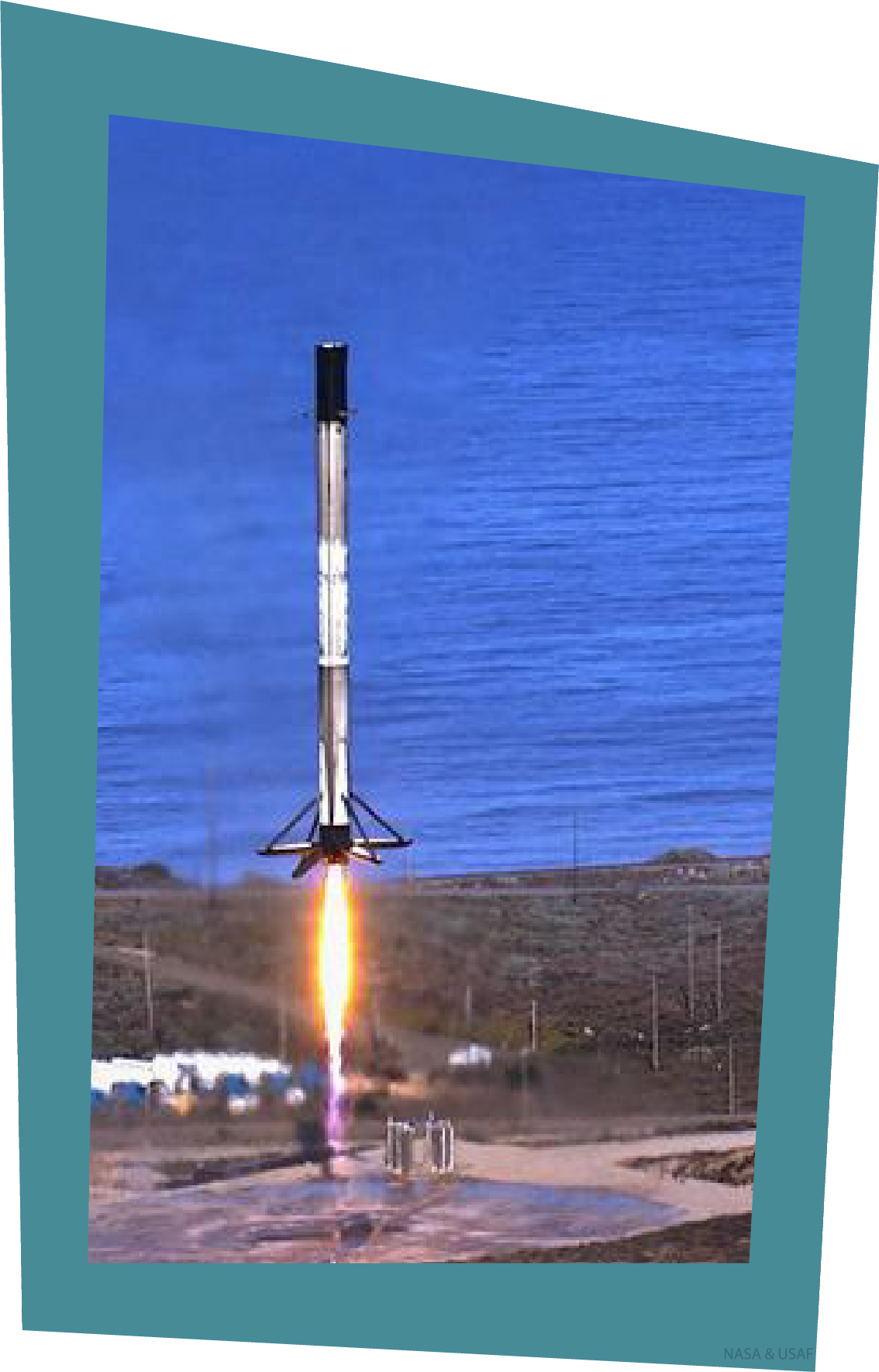
Falcon 9: The Rocket That Does It All
First launched in 2010 from Cape Canaveral, Florida
Launched over 300 times
First landed a booster in 2015 — and has reused some over 20 times
Lands itself on drone ships: "Of Course I Still Love You" (OCISLY), "Just Read the Instructions" (JRTI), and "A Shortfall of Gravitas" (ASOG)
Launched over 300 times
First landed a booster in 2015 — and has reused some over 20 times
Lands itself on drone ships: "Of Course I Still Love You" (OCISLY), "Just Read the Instructions" (JRTI), and "A Shortfall of Gravitas" (ASOG)

Falcon + Dragon: Human Spaceflight, Reinvented
In 2020 it launched the first NASA astronauts, Doug Hurley and Bob Behnken, since the Shuttle program ended in 2011
Delivers cargo, satellites, and NASA astronauts to the ISS
Has flown 30+ astronauts from 4 different space agencies
Has launched more than 300 missions
Delivers cargo, satellites, and NASA astronauts to the ISS
Has flown 30+ astronauts from 4 different space agencies
Has launched more than 300 missions
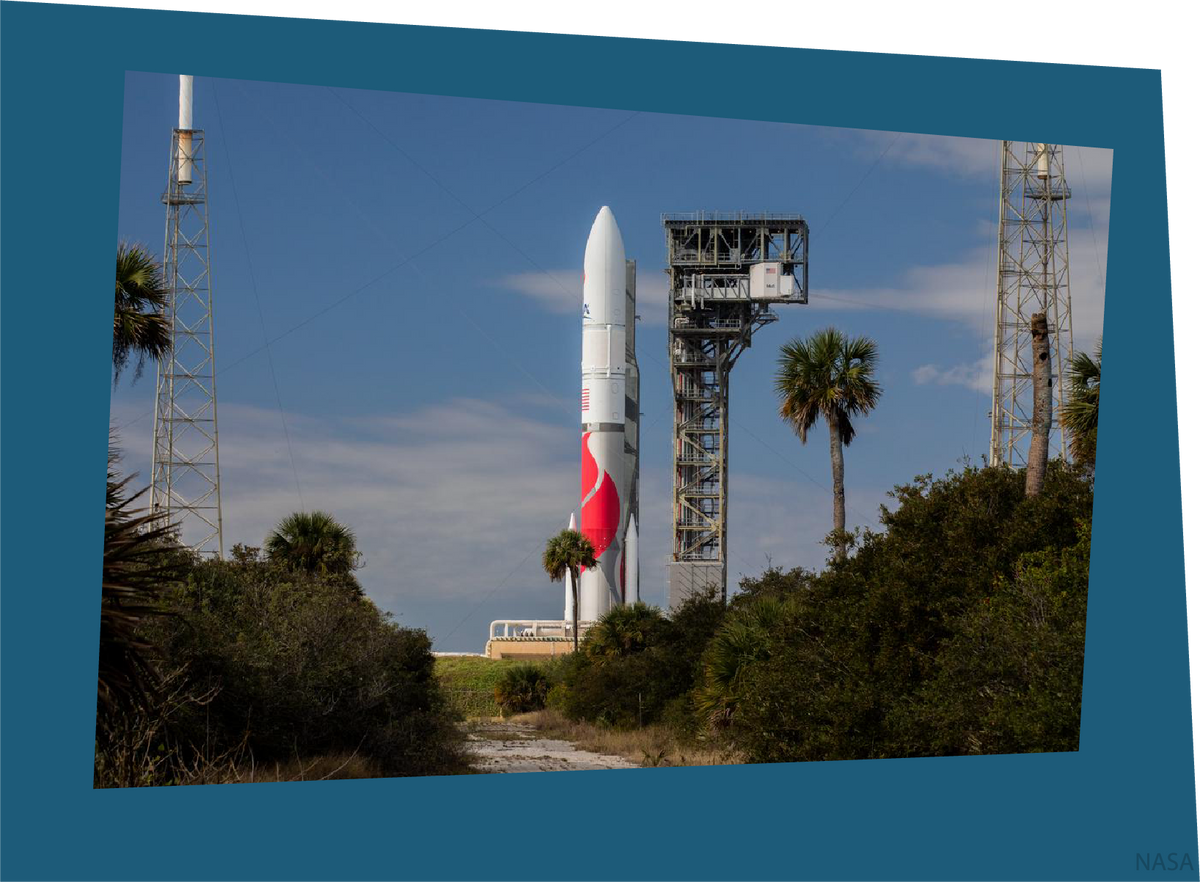
Vulcan Centaur: The New Heavy Lifter
Built by United Launch Alliance, designed to replace the Atlas V and Delta IV
Uses Blue Origin's BE-4 engines and a Centaur upper stage
Combines legacy reliability with next-gen performance
Its maiden launch in 2024 carried Astrobotic's lunar lander Peregrine
Uses Blue Origin's BE-4 engines and a Centaur upper stage
Combines legacy reliability with next-gen performance
Its maiden launch in 2024 carried Astrobotic's lunar lander Peregrine


Translation missing: en.sections.mission.shop_the_mission
-
Polygonal Rockets — Cerulean Blue
Regular price $39.99 USDRegular price$54.99 USDSale price $39.99 USDSale

Saturn V: The Moon Rocket
- Launched in 1967, it was the rocket that took astronauts to the Moon
- 363 feet tall — taller than a 30-story building
- To this day, it's the most powerful rocket ever flown by thrust output
- Used for every Apollo mission, including Apollo 11, and to launch Skylab
The Space Shuttle: Engineering Meets Elegance
- First launched in 1981, the Shuttle was part spacecraft, part glider, part rocket
- A reusable orbiter with solid rocket boosters
- It built the ISS, launched satellites, and serviced Hubble
- Flew for 30 years, ending in 2011
SLS: Back to the Moon, the Artemis Era Begins
- NASA's newest Moon rocket, built for the Artemis program
- Taller than the Statue of Liberty
- Generates 8.8 million pounds of thrust
- First launched in 2022 with Artemis I, and will carry astronauts back to the Moon and beyond
- Designed to carry the Orion capsule and eventually support Mars missions
Falcon 9: The Rocket That Does It All
- First launched in 2010 from Cape Canaveral, Florida
- Launched over 300 times
- First landed a booster in 2015 — and has reused some over 20 times
- Lands itself on drone ships: "Of Course I Still Love You" (OCISLY), "Just Read the Instructions" (JRTI), and "A Shortfall of Gravitas" (ASOG)
Falcon + Dragon: Human Spaceflight, Reinvented
- In 2020 it launched the first NASA astronauts, Doug Hurley and Bob Behnken, since the Shuttle program ended in 2011
- Delivers cargo, satellites, and NASA astronauts to the ISS
- Has flown 30+ astronauts from 4 different space agencies
- Has launched more than 300 missions
Vulcan Centaur: The New Heavy Lifter
- Built by United Launch Alliance, designed to replace the Atlas V and Delta IV
- Uses Blue Origin's BE-4 engines and a Centaur upper stage
- Combines legacy reliability with next-gen performance
- Its maiden launch in 2024 carried Astrobotic's lunar lander Peregrine
Vectors, thrust, and geometry in motion — this design honors the legacy of launch.