




- Translation missing: en.sections.mission.launch_date
- 20 Aug 1977 (Voyager 2) · 5 Sep 1977 (Voyager 1)
- Translation missing: en.sections.mission.vehicle
- Titan IIIE-Centaur
- Translation missing: en.sections.mission.duration
- Still transmitting from interstellar space

Voyager Begins: A Mission to the Outer Planets
Voyager 1 and 2 are robotic space probes launched by NASA in 1977 to explore the outer planets, Jupiter and Saturn — and now, interstellar space
The launch took place from Cape Canaveral, a Space Age classic
Designed for a 5-year mission, still going after 45+ years
Voyager 1 is so far away now that its signal takes over 22 hours to reach Earth
The launch took place from Cape Canaveral, a Space Age classic
Designed for a 5-year mission, still going after 45+ years
Voyager 1 is so far away now that its signal takes over 22 hours to reach Earth
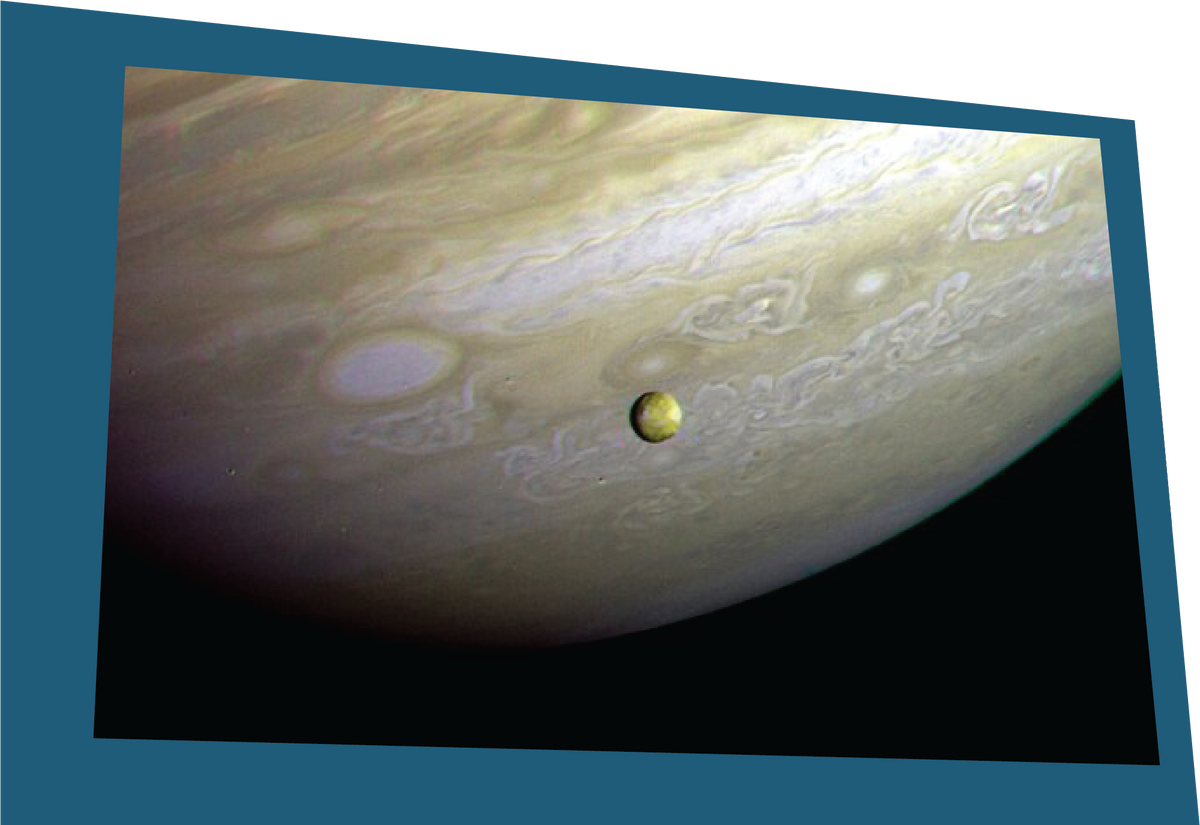
First Stop: The Gas Giant
Voyager 1 flew past Jupiter in March 1979, revealing volcanic activity on Io, one of Jupiter's moons
Captured never-before-seen images of Jupiter's storms and moons
Discovered faint rings and revealed the planet's powerful magnetosphere
Captured never-before-seen images of Jupiter's storms and moons
Discovered faint rings and revealed the planet's powerful magnetosphere

The Grand Tour: Jupiter to Saturn to Uranus to Neptune
Voyager took advantage of a once-in-176-year alignment of planets
Used gravity assists to slingshot from one world to the next
Voyager 2 is the only spacecraft to visit all four outer planets
Used gravity assists to slingshot from one world to the next
Voyager 2 is the only spacecraft to visit all four outer planets

Saturn: Rings, Moons, and Magnetism
Closest approach in 1980 (Voyager 1) and 1981 (Voyager 2)
Discovered new moons, ring structures, and Saturn's magnetic tail
Flew by Titan, Saturn's largest moon, helping shape future missions like Cassini
Discovered new moons, ring structures, and Saturn's magnetic tail
Flew by Titan, Saturn's largest moon, helping shape future missions like Cassini
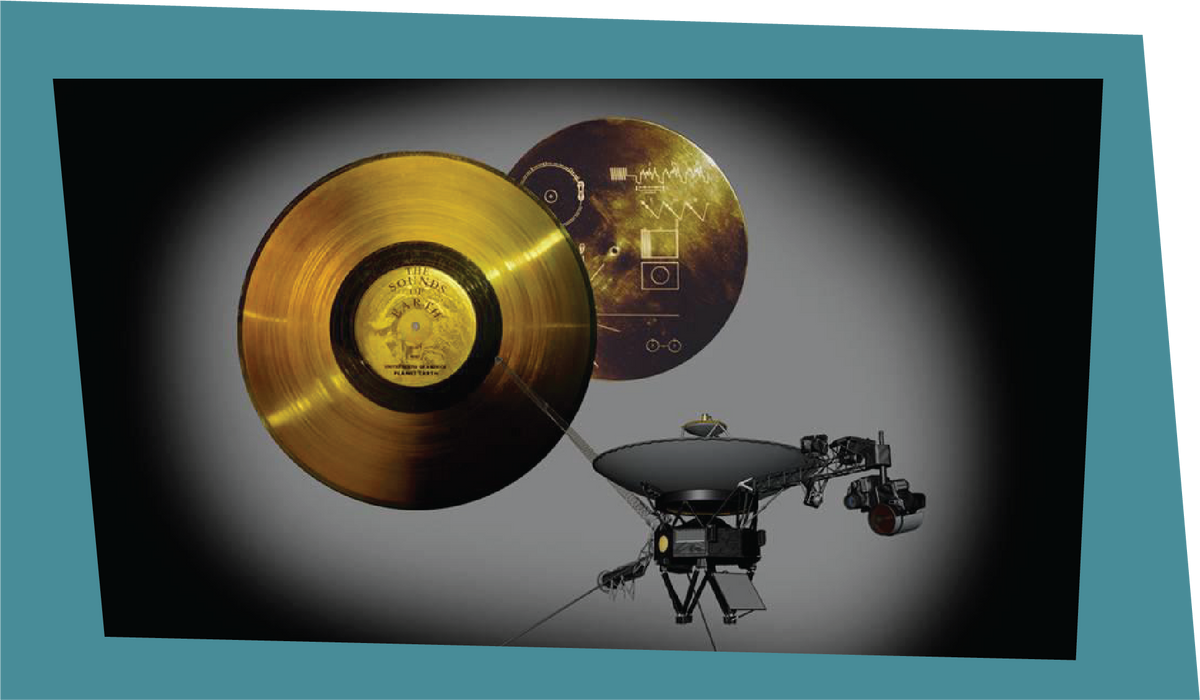
Earth's Greatest Mixtape
Each Voyager carries a gold-plated record with greetings, music, and images from Earth
Includes songs by Chuck Berry, Bach, and traditional world music
Designed to be playable by alien civilizations, with instructions engraved on the casing
Includes songs by Chuck Berry, Bach, and traditional world music
Designed to be playable by alien civilizations, with instructions engraved on the casing
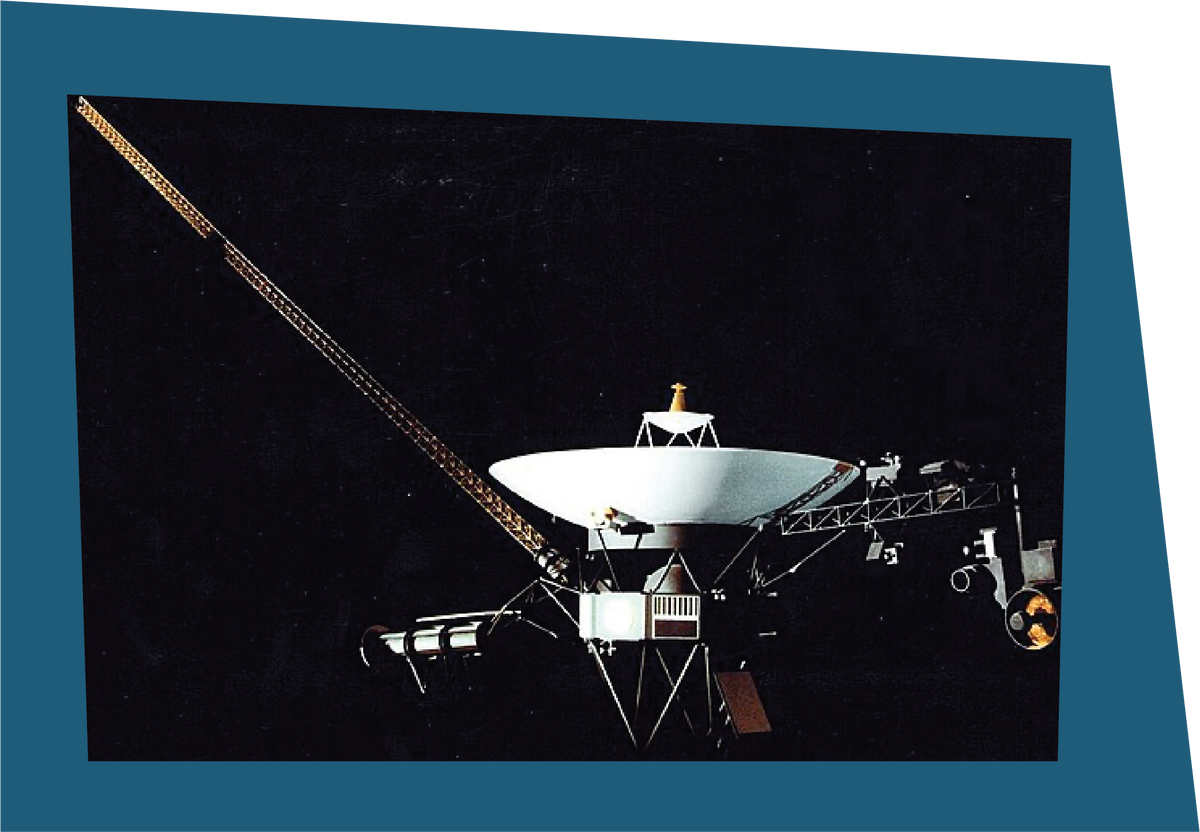
Still Transmitting from Interstellar Space
Voyager 1 is over 14 billion miles from Earth and still sending data
Uses a 1970s computer and 8-track tape system — and it still works
Carries the hopes of humanity on a long journey into the unknown
Uses a 1970s computer and 8-track tape system — and it still works
Carries the hopes of humanity on a long journey into the unknown


Translation missing: en.sections.mission.shop_the_mission
-
Voyager Probe Hawaiian Shirt
Regular price $54.99 USDRegular price


Voyager Begins: A Mission to the Outer Planets
- Voyager 1 and 2 are robotic space probes launched by NASA in 1977 to explore the outer planets, Jupiter and Saturn — and now, interstellar space
- The launch took place from Cape Canaveral, a Space Age classic
- Designed for a 5-year mission, still going after 45+ years
- Voyager 1 is so far away now that its signal takes over 22 hours to reach Earth
First Stop: The Gas Giant
- Voyager 1 flew past Jupiter in March 1979, revealing volcanic activity on Io, one of Jupiter's moons
- Captured never-before-seen images of Jupiter's storms and moons
- Discovered faint rings and revealed the planet's powerful magnetosphere
The Grand Tour: Jupiter to Saturn to Uranus to Neptune
- Voyager took advantage of a once-in-176-year alignment of planets
- Used gravity assists to slingshot from one world to the next
- Voyager 2 is the only spacecraft to visit all four outer planets
Saturn: Rings, Moons, and Magnetism
- Closest approach in 1980 (Voyager 1) and 1981 (Voyager 2)
- Discovered new moons, ring structures, and Saturn's magnetic tail
- Flew by Titan, Saturn's largest moon, helping shape future missions like Cassini
Earth's Greatest Mixtape
- Each Voyager carries a gold-plated record with greetings, music, and images from Earth
- Includes songs by Chuck Berry, Bach, and traditional world music
- Designed to be playable by alien civilizations, with instructions engraved on the casing
Still Transmitting from Interstellar Space
- Voyager 1 is over 14 billion miles from Earth and still sending data
- Uses a 1970s computer and 8-track tape system — and it still works
- Carries the hopes of humanity on a long journey into the unknown
Wear the farthest journey ever made.