




- Translation missing: en.sections.mission.launch_date
- 14 May 1973
- Translation missing: en.sections.mission.vehicle
- Saturn V (station) · Saturn IB (crews)
- Translation missing: en.sections.mission.duration
- 171 days occupied, 3 crews

Skylab Program
America's first space station and the first crewed research laboratory in space.
Launched on a Saturn V from Cape Canaveral, Florida
The Skylab complex consisted of four major components: the Orbital Workshop (OWS), the Airlock Module (AM), the Multiple Docking Adapter (MDA), and the Apollo Telescope Mount (ATM)
The complex weighed 170,000 pounds
Launched on a Saturn V from Cape Canaveral, Florida
The Skylab complex consisted of four major components: the Orbital Workshop (OWS), the Airlock Module (AM), the Multiple Docking Adapter (MDA), and the Apollo Telescope Mount (ATM)
The complex weighed 170,000 pounds
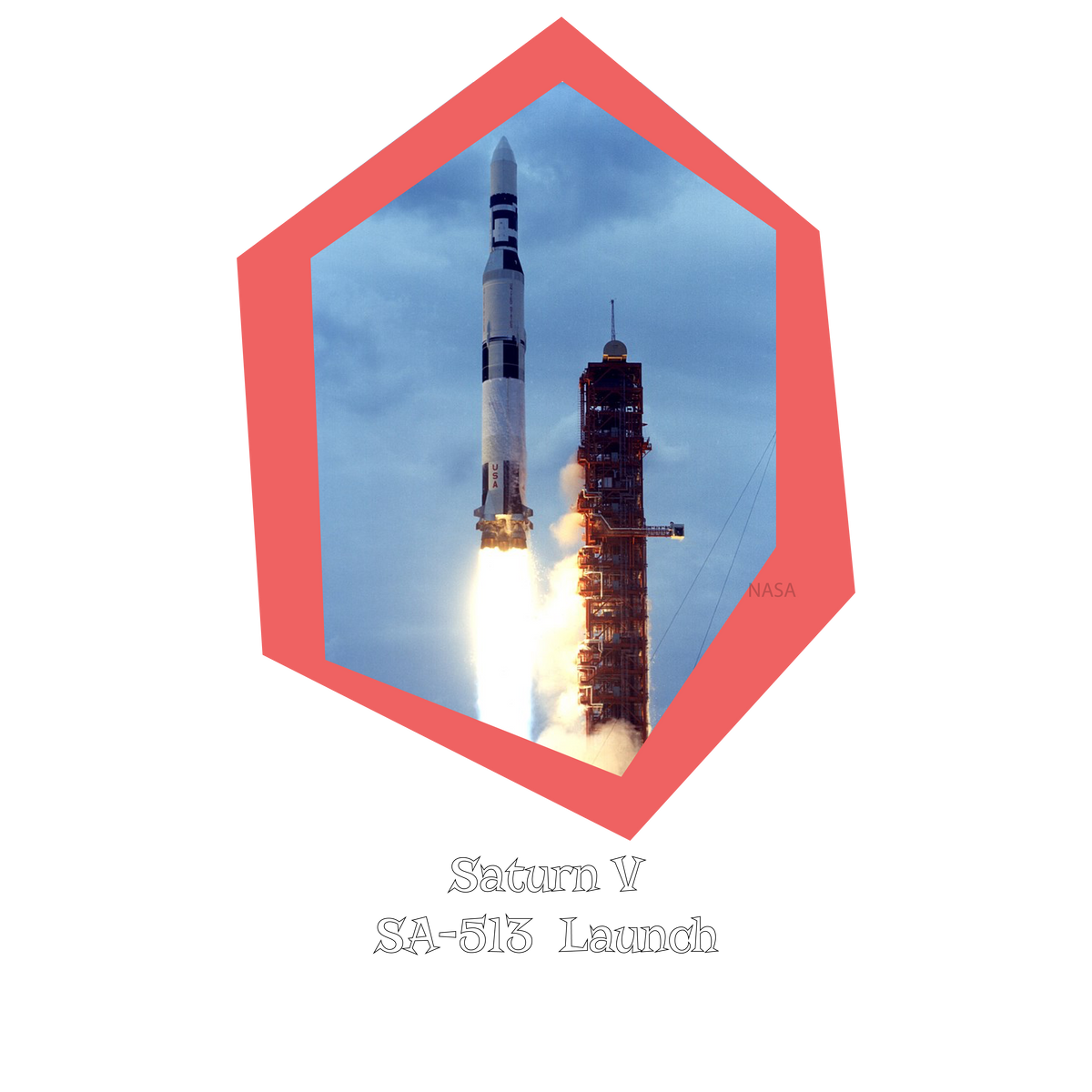
Saturn V Skylab I Launch
Launched May 1973 from Launch Complex 39A.
Saturn V's S-II second stage entered orbit, as planned, becoming the largest single object placed into orbit
The second stage then made an uncontrolled, and mainly unpublicized, reentry over the Indian Ocean on January 11, 1975
Saturn V's S-II second stage entered orbit, as planned, becoming the largest single object placed into orbit
The second stage then made an uncontrolled, and mainly unpublicized, reentry over the Indian Ocean on January 11, 1975
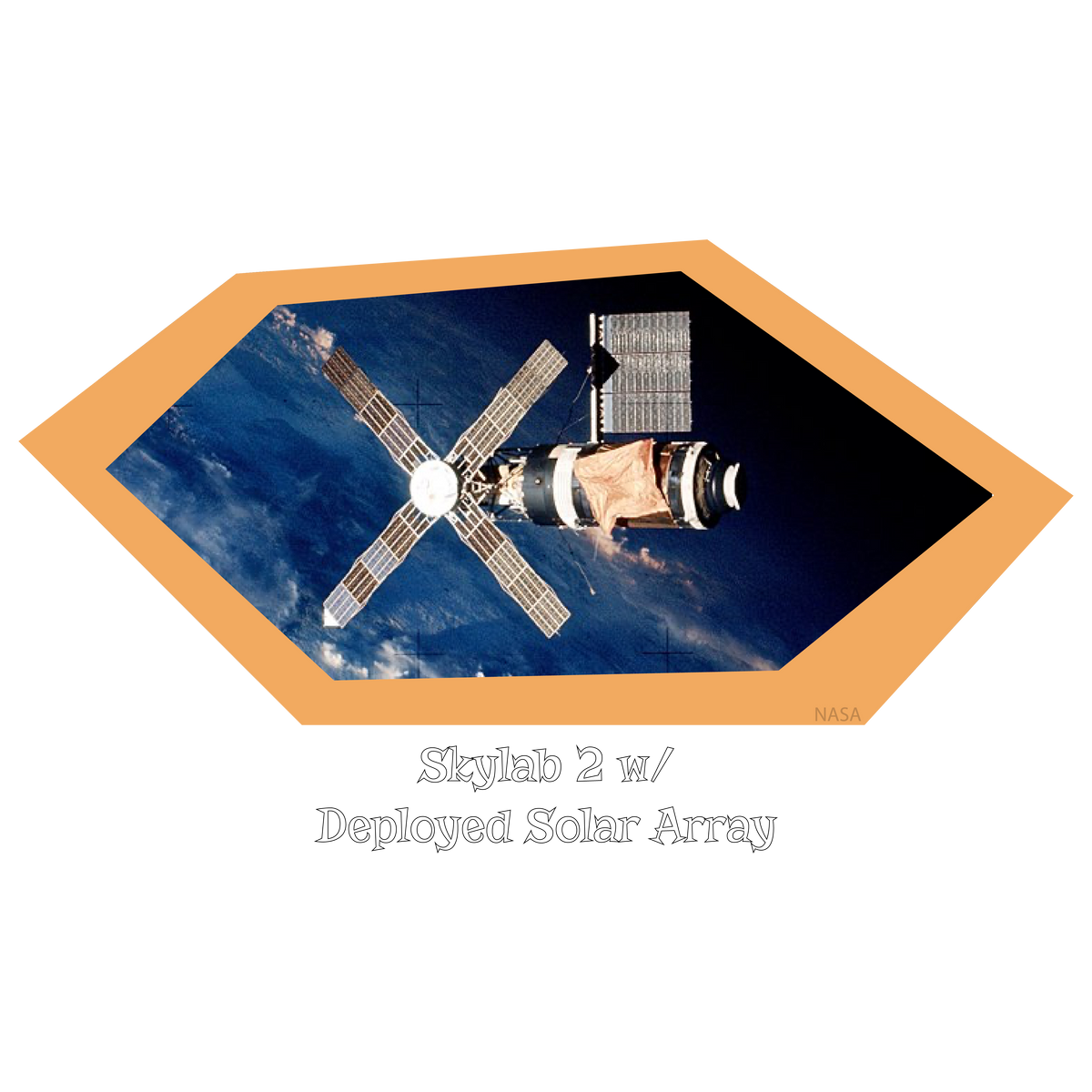
Skylab Solar Array
A thermal meteoroid shield was ripped off during Skylab's ascent. The first crew deployed an improvised "parasol" sunshade to prevent overheating.
Solar array system wing 2 was destroyed and caused solar array system wing 1 to malfunction on deployment
The Skylab 2 crew initiated extravehicular activity to fully deploy the beam 1 solar array
It took eight attempts to hard dock with the OWS, causing the crew to work 22 hours
Solar array system wing 2 was destroyed and caused solar array system wing 1 to malfunction on deployment
The Skylab 2 crew initiated extravehicular activity to fully deploy the beam 1 solar array
It took eight attempts to hard dock with the OWS, causing the crew to work 22 hours
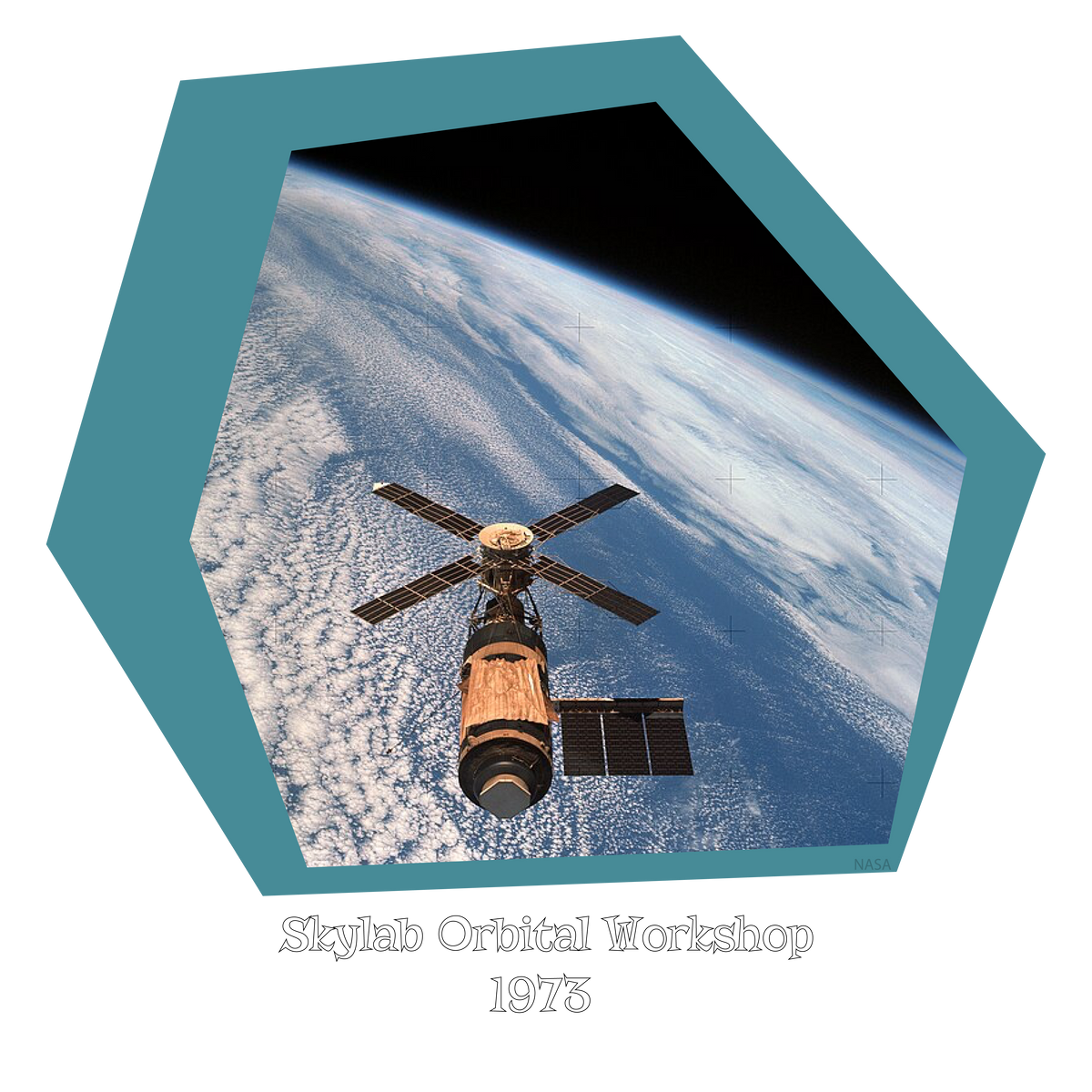
Living on Skylab
Three crews of 28, 59 and 84 days each set new endurance records while conducting experiments aboard Skylab
Increased solar activity caused Skylab's orbit to degrade faster than expected
Skylab made a highly publicized reentry when it broke up and scattered debris over the Indian Ocean and Australia on July 11, 1979
Increased solar activity caused Skylab's orbit to degrade faster than expected
Skylab made a highly publicized reentry when it broke up and scattered debris over the Indian Ocean and Australia on July 11, 1979


Translation missing: en.sections.mission.shop_the_mission
-
Skylab Hawaiian Shirt
Regular price $39.99 USDRegular price$54.99 USDSale price $39.99 USDSale

Skylab Program
America's first space station and the first crewed research laboratory in space.
- Launched on a Saturn V from Cape Canaveral, Florida
- The Skylab complex consisted of four major components: the Orbital Workshop (OWS), the Airlock Module (AM), the Multiple Docking Adapter (MDA), and the Apollo Telescope Mount (ATM)
- The complex weighed 170,000 pounds
Saturn V Skylab I Launch
Launched May 1973 from Launch Complex 39A.
- Saturn V's S-II second stage entered orbit, as planned, becoming the largest single object placed into orbit
- The second stage then made an uncontrolled, and mainly unpublicized, reentry over the Indian Ocean on January 11, 1975
Skylab Solar Array
A thermal meteoroid shield was ripped off during Skylab's ascent. The first crew deployed an improvised "parasol" sunshade to prevent overheating.
- Solar array system wing 2 was destroyed and caused solar array system wing 1 to malfunction on deployment
- The Skylab 2 crew initiated extravehicular activity to fully deploy the beam 1 solar array
- It took eight attempts to hard dock with the OWS, causing the crew to work 22 hours
Living on Skylab
- Three crews of 28, 59 and 84 days each set new endurance records while conducting experiments aboard Skylab
- Increased solar activity caused Skylab's orbit to degrade faster than expected
- Skylab made a highly publicized reentry when it broke up and scattered debris over the Indian Ocean and Australia on July 11, 1979